
Generate customized graphics using this data by selecting one of the options below.
Related Products
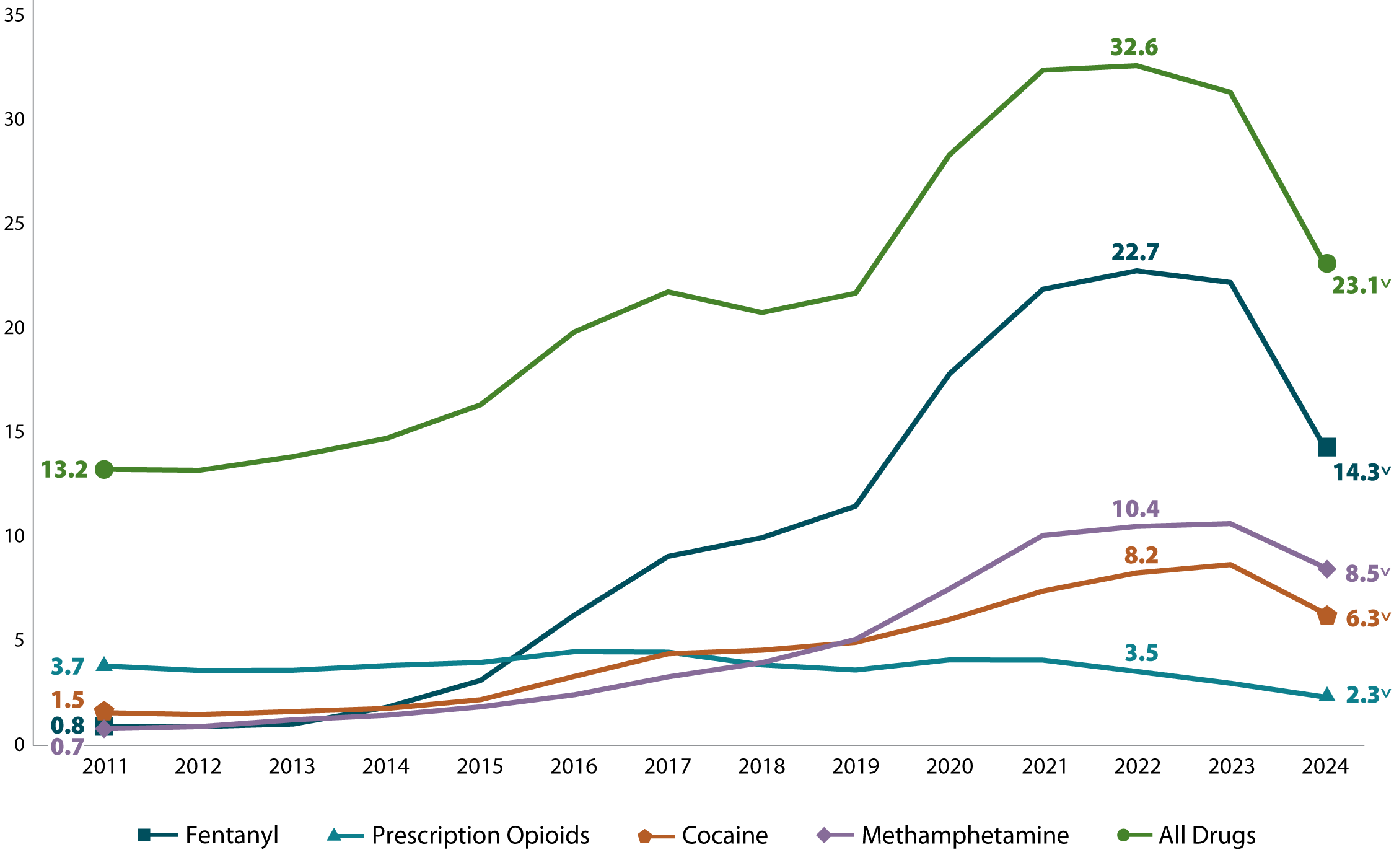
U.S. Overdose Death Rate Dropped Nearly 30% in Two Years, Driven Largely by Decline in Fentanyl Fatalities
Using mortality data from the U.S. National Vital Statistics System, obtained through the U.S. Centers for Disease Control and Prevention’s (CDC) WONDER database, this analysis examines U.S.-level trends and patterns in fatal drug overdoses. It provides an overview of trends since 2011, when the CDC first declared a drug overdose “epidemic,” with a particular focus on how the crisis has evolved since fatal overdoses peaked in 2022.
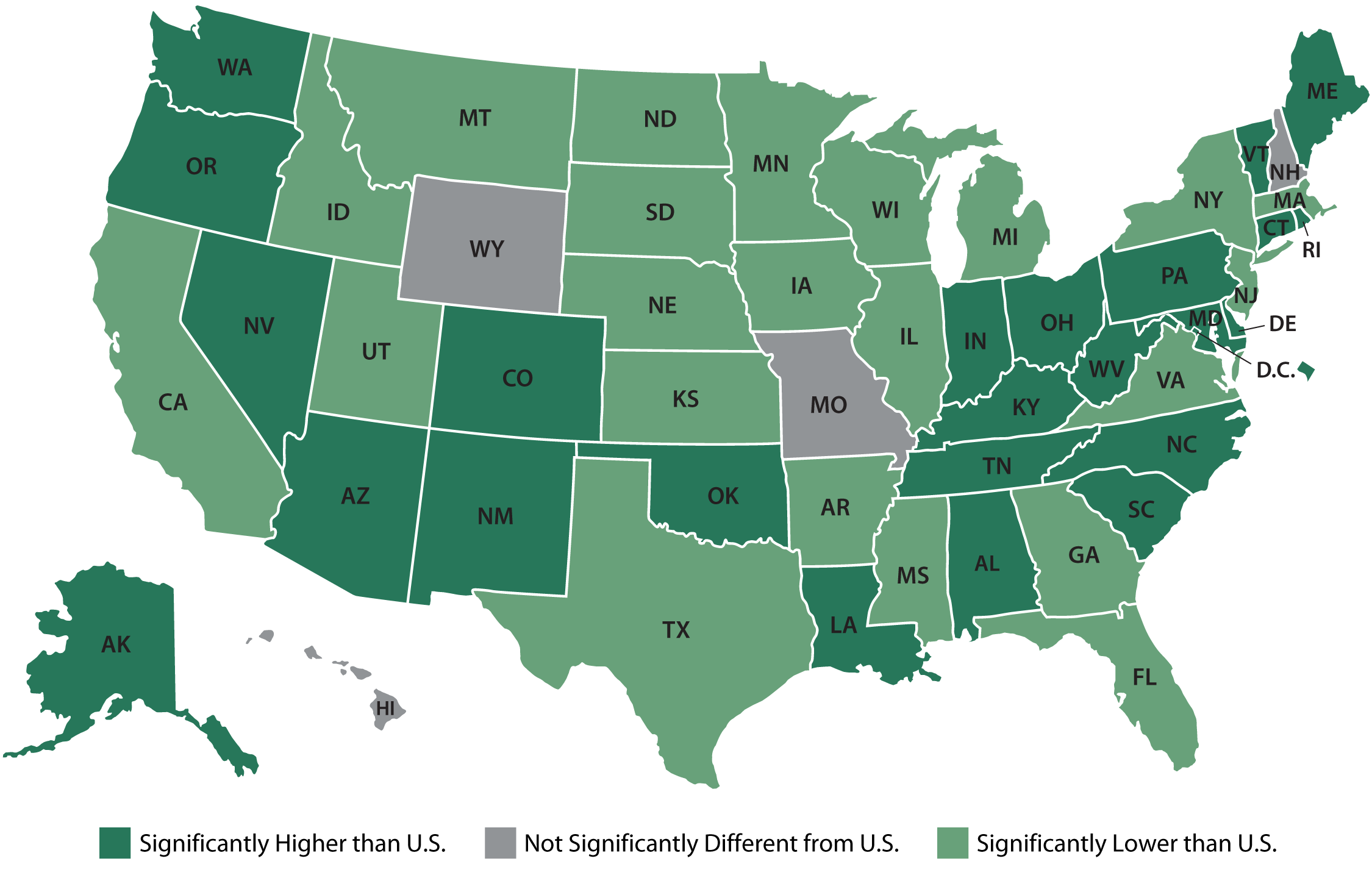
More Than 40 States Recorded Declines in 2024 Fatal Drug Overdoses Since Deaths Peaked in 2022
This analysis examines recent state-level patterns in fatal drug overdoses, with a particular focus on how the crisis has evolved since fatal overdoses peaked in 2022.
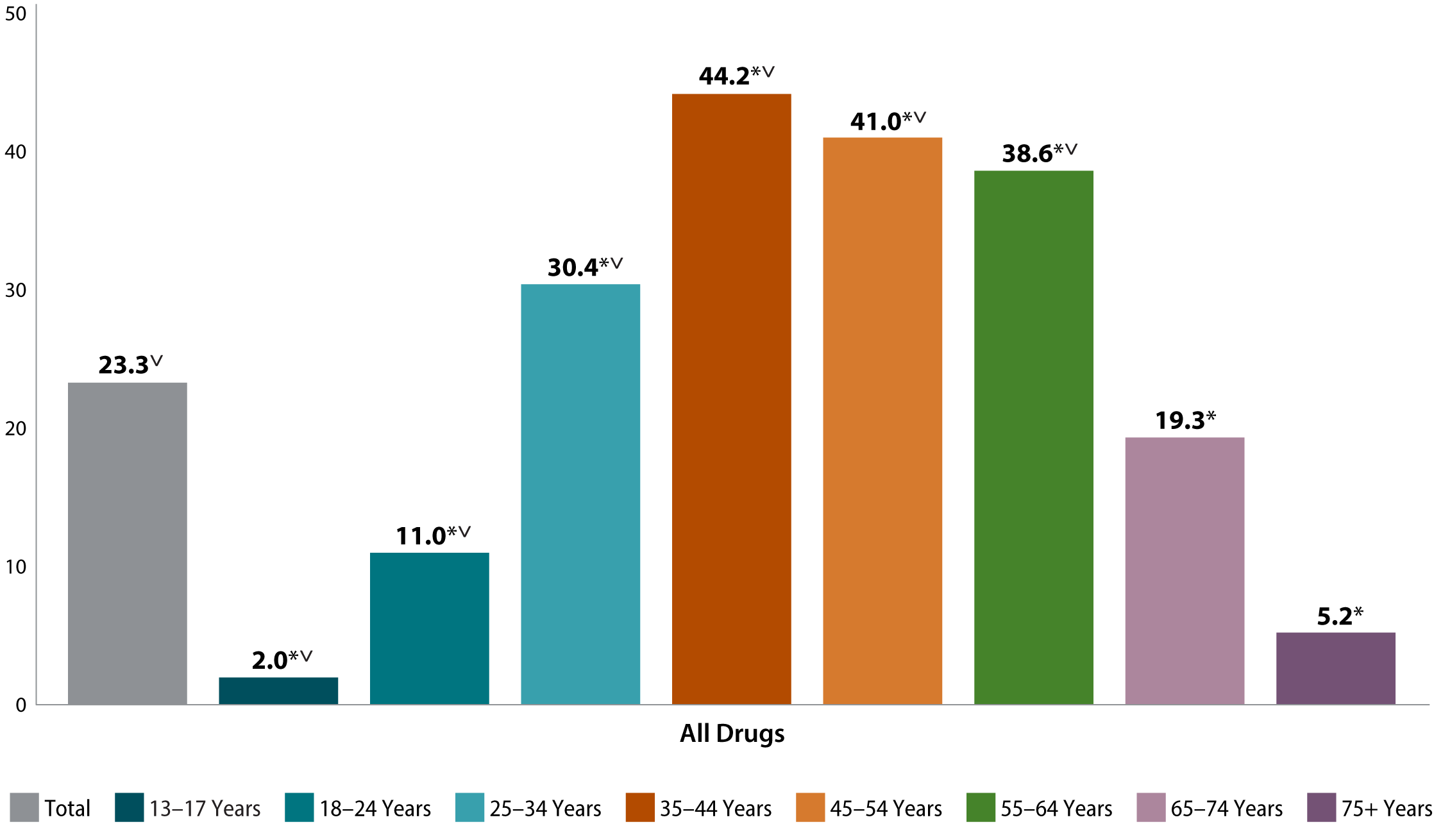
Despite Declining Rates of Fatal Drug Overdoses, Inequities Persist Among Demographic Subgroups and By Drug Type Into 2024
This analysis examines trends and patterns in fatal drug overdoses. It provides an overview of how drug overdose death patterns vary by demographic subgroups, and how these have changed since 2022.